Rain that falls on an open flue does not need a crack or a gap to get inside. It drops straight down the tile, pools on the smoke shelf, rusts the damper and soaks the back of the firebox. Of all the ways water reaches a chimney, an uncovered top is the most direct, and a cap is the simplest way to close it. In Pico Rivera we fit caps quoted after we measure the flue. The rest of this post explains what sets the price.
What a cap has to do on a chimney like yours
A cap is a lid with open sides. The lid sheds rain, the mesh on the sides keeps birds, rats and leaves out, and the same mesh stops sparks from a wood fire drifting onto the roof. That last job matters more than people think in a dry Southern California summer, when Santa Ana winds can carry an ember a long way.
The cap also has to let smoke out freely. One that is too small or sits too low chokes the draft, and smoke rolls back into the room. So a cap is not a part you choose from a picture. It is sized to the flue it covers and set at a height that keeps the draft working.
What sets the cap price
Most caps in Pico Rivera are simple jobs. Prices climb with size, material and the shape of the chimney top.
- A single flue, standard tile. A cap that clamps or screws onto one round or square flue tile is the simplest fit.
- Two or more flues. Many older houses have one stack carrying the fireplace flue and a furnace or water heater flue beside it. Covering both means either two caps or one wider cap over the whole crown, which costs more.
- Odd sizes and shapes. Oval tiles, tall tiles and flues set unevenly in the crown can need a cap made to measure rather than a stock size.
- Material. Galvanised steel is the cheapest and rusts first. Stainless steel lasts much longer in our weather and is what we fit by default. Copper costs the most and is chosen for looks on a visible chimney.
- Full-width covers. A cap that spans the entire top of the chimney, protecting the crown as well as the flues, costs more still, especially on a large stack.
The figure on your quote names which of these applies and why.
What is included
Every cap we fit comes with the same work around it:
- measuring each flue and the crown before anything is ordered
- removing the old cap, if there is one, and any nest or debris in the top of the flue
- checking the crown for cracks while the top is clear, and photographing it
- fixing the new cap so wind cannot lift it
- a photo of the finished top for your records
If the crown underneath is cracked or crumbling, we tell you before fitting. A new cap over a cracked crown stops rain going down the flue, yet water still soaks into the brick, so the leak stays.
Signs your chimney needs a cap now
Owners usually find out they have no cap, or a failed one, in one of these ways:
- water in the firebox or a rusty puddle under the grate after rain
- a damper that has rusted stiff or seized
- birds chirping inside the chimney in spring
- a strong smell of soot or damp when the weather turns wet
- a roofer or inspector who mentions it in passing
Any of those, and especially water in the firebox, means rain is already reaching the inside of the chimney.
Cap or a full repair?
A cap closes one path for water: straight down the flue. It does not fix flashing, mortar joints or a crown that has broken. If the leak shows up as a ceiling stain beside the chimney rather than as water in the firebox, the cap alone probably will not solve it. In that case we look at the whole top and tell you which parts are failing. The broader work is covered in our leak repair cost guide.
Choosing who fits it
Ask anyone quoting a cap a few direct questions:
- Will you measure the flue before ordering, or bring a stock size?
- What metal is the cap, and what gauge?
- How will it be fixed to the tile or crown?
- Will you check the crown and send photos of it?
- What happens if the cap you bring does not fit?
A flimsy cap pushed onto the wrong size tile tends to blow off in the first strong wind, and a galvanised one can rust through in a few seasons. Paying once for the right part is cheaper over the life of the house.
Factory-built chimneys
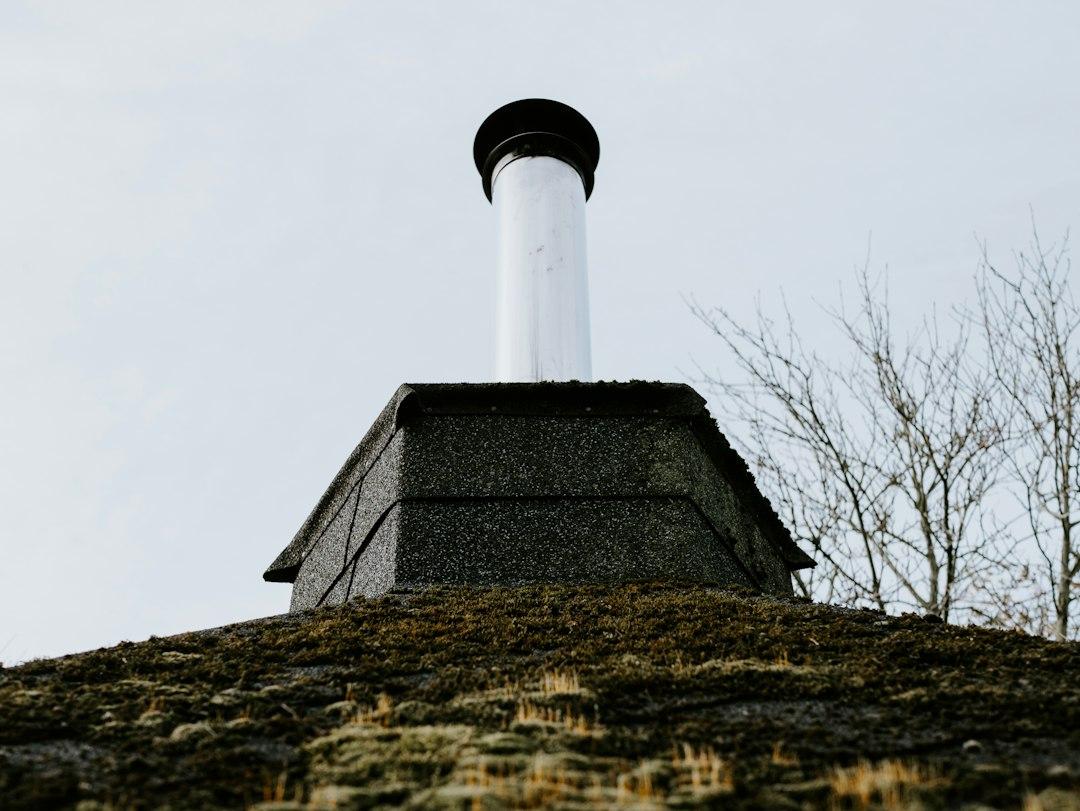
Some homes have a metal prefab fireplace with a metal flue running up inside a wood frame box instead of a brick stack. Those use a cap made by the fireplace maker, tested as part of the system. If yours is one of these, we match the replacement to the original make rather than fitting a generic cap. The box around the flue also has a metal top, called a chase cover, which can rust and leak on its own; our chase cover page covers that.
Caps around Pico Rivera
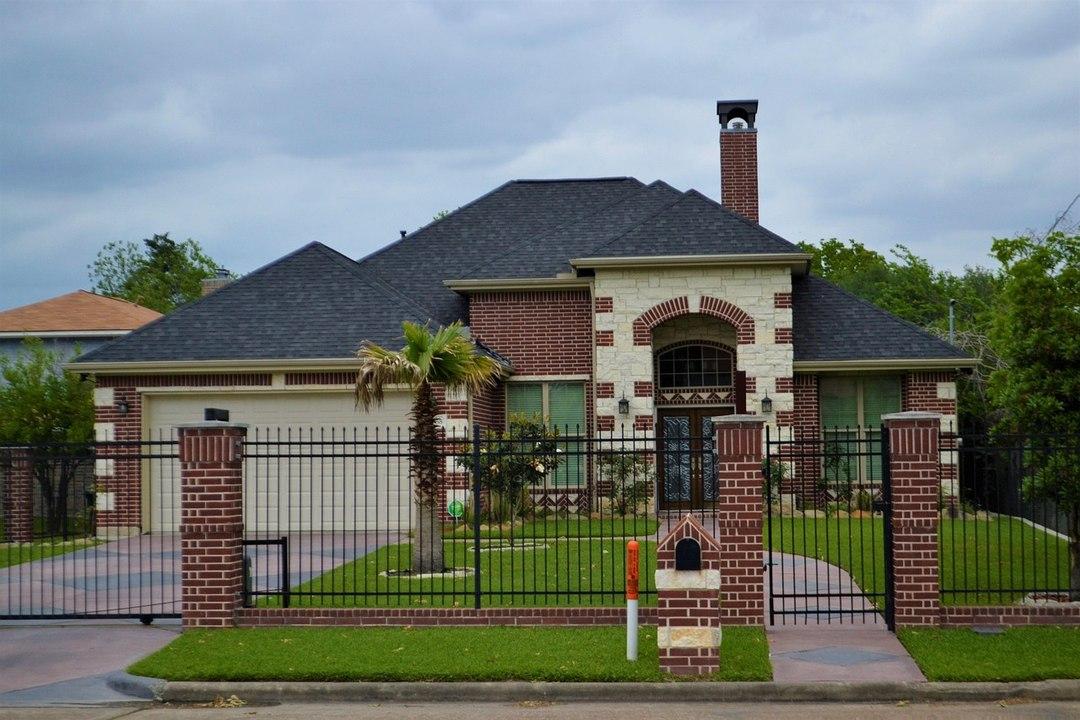
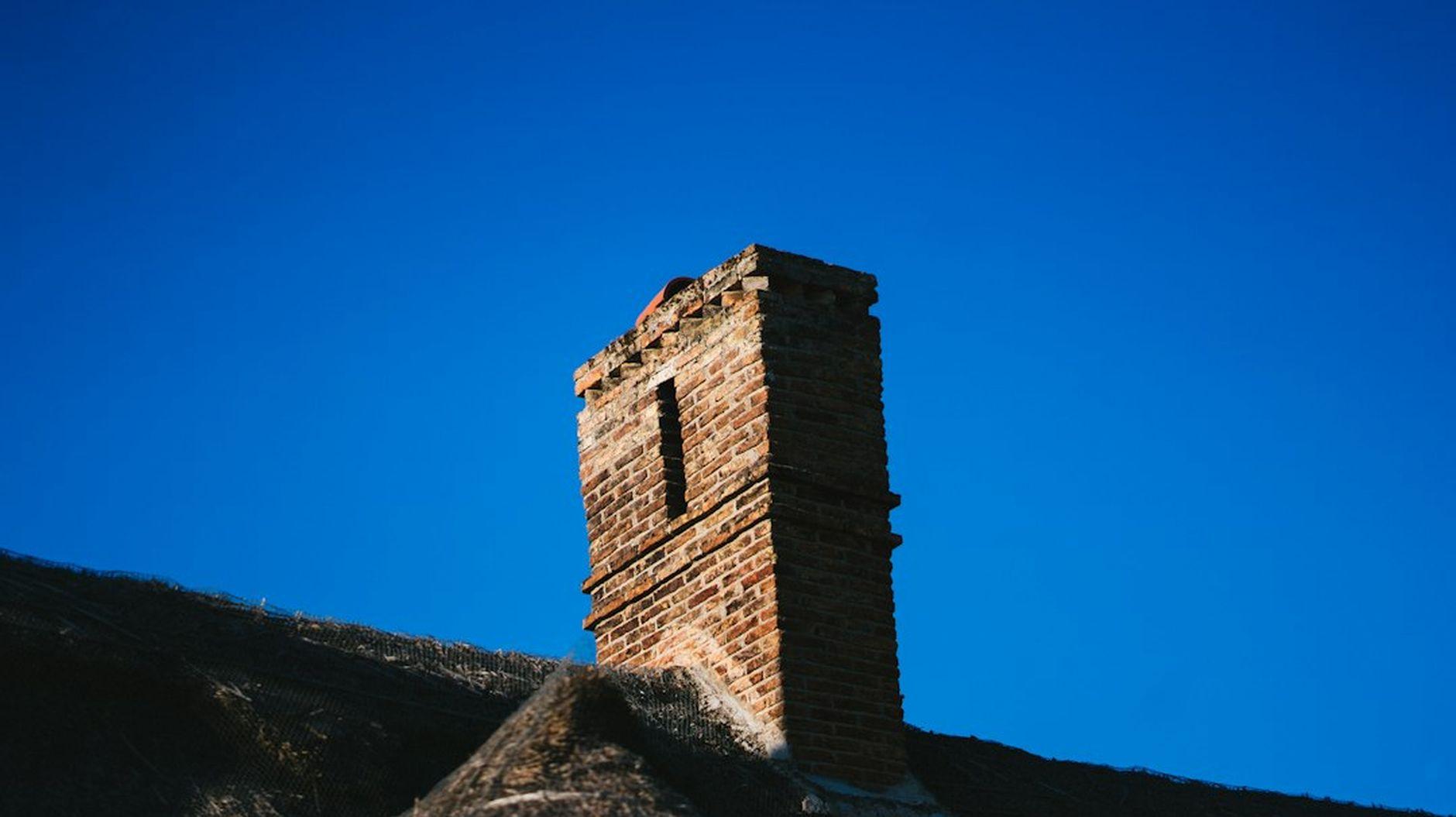
We fit caps across Pico Rivera, Whittier, Monterey Park and the nearby cities. Not certain there is one up there? Stand in the street and look up: a flat metal hat sitting above the top of the brick is a cap, and a bare round or square tile poking out of the top is not.
More on what the visit involves is on our cap installation page. When you are ready for a measured price, reach us through the contact page.
Found a Stain You Cannot Place?
Clement Chimney Care follows it from the room to the roofline, photographs the gap letting water in and puts a written price on the fix. Ask from Pico Rivera, Whittier, Rosemead or a town nearby.