A brown ring on the ceiling, a sour damp smell when the room warms up, plaster flaking above the mantel: almost every leak call we take in Pico Rivera starts with one of those. The owner wants two answers. Where is the water coming from, and how much will it cost to stop? This post deals with the second question, and it cannot be answered without the first.
Our published range for leak work is $575 to $3,450. That is a wide spread, and it is wide on purpose. A chimney can let rain in at five or six different places, and a single stain inside the house can be fed by one of them or by three at once. The price follows the number of entry points and how much has to come apart to close each one.
Why one stain can mean several repairs
Water does not travel straight down. It soaks into brick, runs along the top of a flue tile, follows a rafter, and finally shows up wherever the plaster is thinnest. The mark on your ceiling tells us roughly which side of the chimney to look at. It does not tell us which part failed.
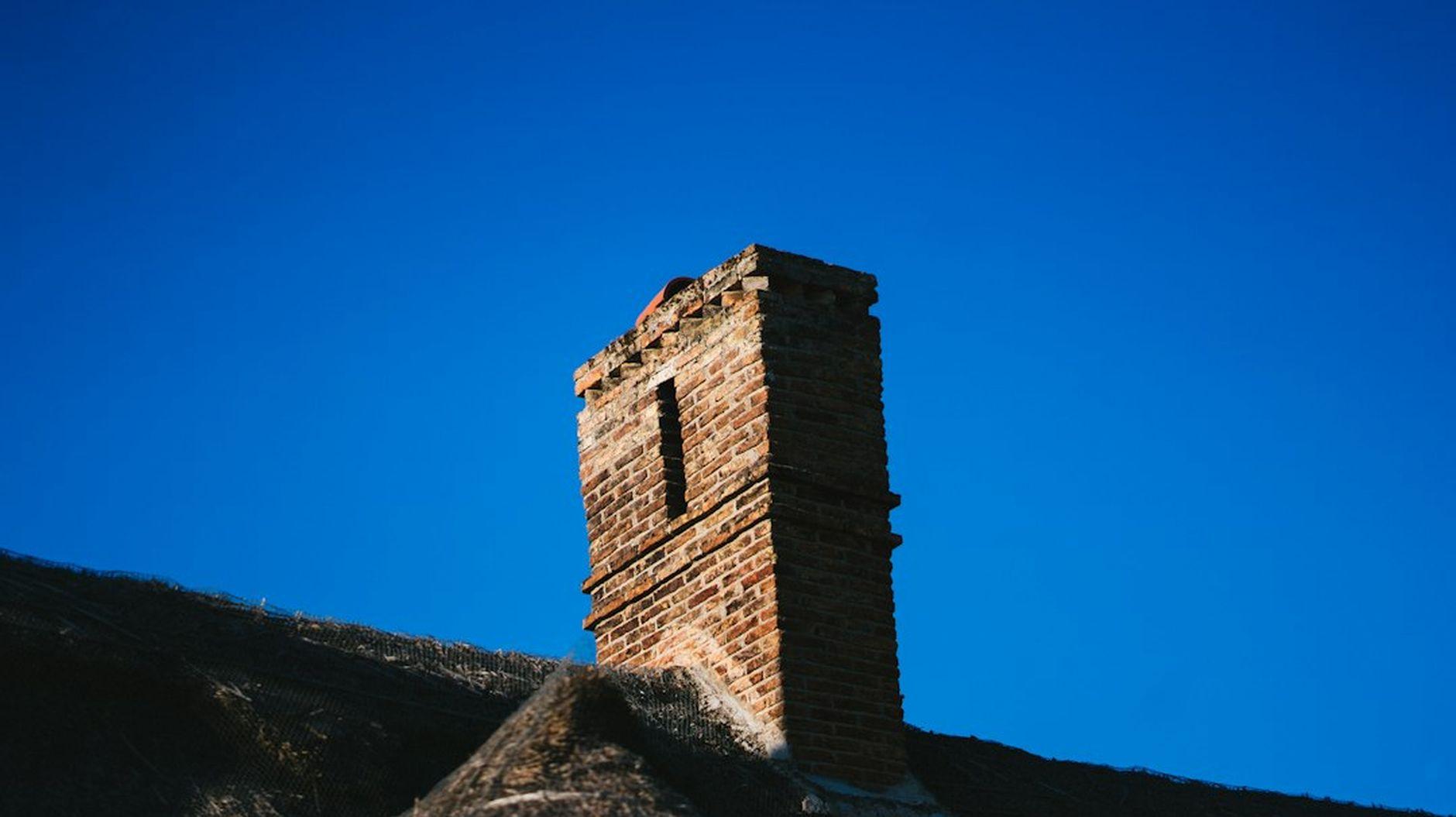
So we work upward from the stain. Inside, we note where the damp is and whether it is still wet on the day. In the attic, we look at the sheathing and framing against the brick for dark streaks, soft wood and old drip lines. On the roof, we check every part that sheds or blocks water:
- the crown, the concrete or mortar slab around the flue at the very top
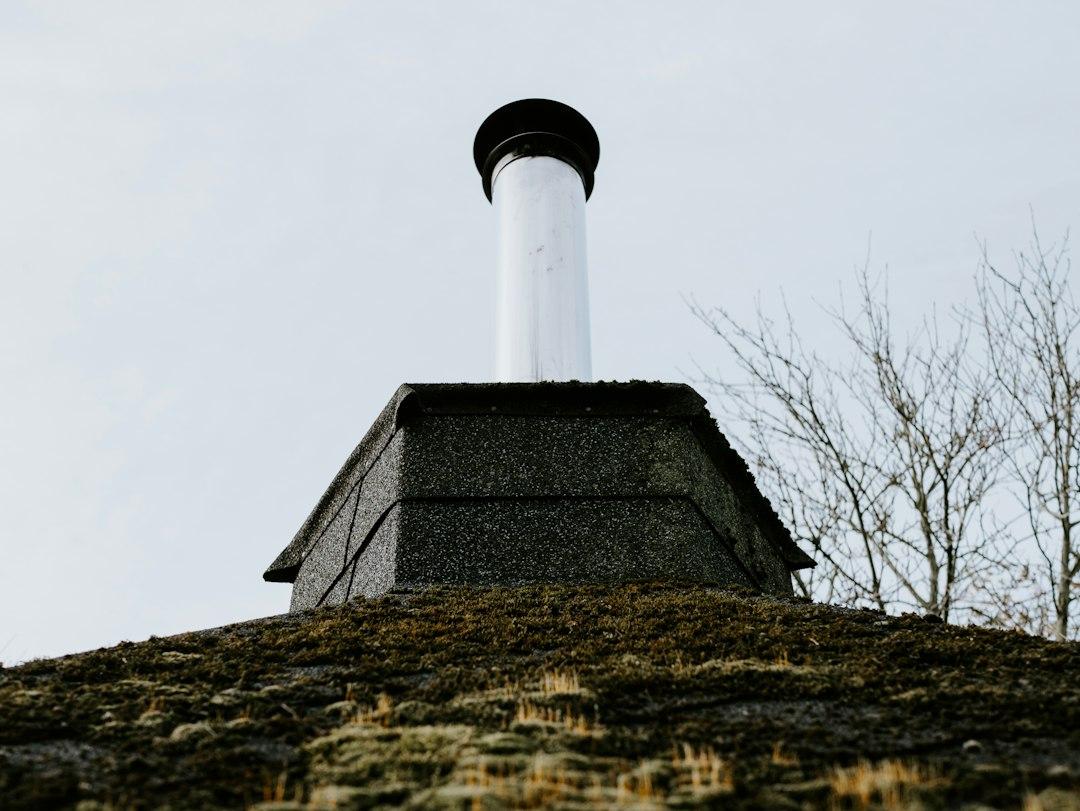
- the cap, or the lack of one, over the flue opening
- the step and counter flashing where the roof meets the brick
- the mortar joints and brick faces above the roofline
- the uphill side of the stack, where water and leaves collect on a wide chimney
Each place we find a gap goes on the list. A leak with one entry point sits at the low end of the range. A leak where the crown is cracked, the flashing has been patched with tar and two courses of brick are soaking up water sits near the top.
What puts a job near $575
The cheaper leaks are the simple ones. Typical examples:
- one run of flashing has pulled loose and needs refitting and sealing into the joint
- a short stretch of mortar has opened along one face and needs repointing
- the flue has no cap and rain is dropping straight in, with no other damage yet
These jobs are small in area, use little material and do not need the crown or the roofing disturbed much. They are also the leaks most often caught early, before the framing below has been wet for more than a season.
What pushes a job toward $3,450
The expensive leaks are the old ones. When a chimney has been letting water in for years, the repairs stack up:
- flashing that has to come off completely, with the roofing around it lifted and relaid
- a crown that is cracked through and has to be broken off and recast
- brick faces that have spalled, where the outer surface has popped off as water and the salts it carries work through the brick, and need individual bricks replaced
- several sides of the stack needing repointing at once
- a wide chimney with nothing behind it to split the flow, where a cricket is the only lasting fix
Two or three of those together is a full day or more of roof work, plus materials, and that is where the upper part of the range comes from. Once the leak is closed, interior plaster and paint are a separate matter for a painter or drywall crew.
What it costs if you ignore it
Owners sometimes ask whether a slow leak can wait. It can, in the sense that the house will not fall down next week. But water that keeps reaching the framing softens the wood, rusts the damper and the firebox lintel, and keeps the brick wet enough to crumble. In the attic it can wet insulation and stain the underside of the roof deck. Each of those adds to the eventual bill. A leak caught at the flashing stage costs a fraction of one that has reached the rafters.
How we turn the range into one figure
You get a single written price after we have been on the roof and in the attic. It lists each entry point we found, what we will do to close it, and the total. We include photos of every gap so you can see what you are paying for, and so a roofer or an insurer reading the same sheet would agree.
If any part of the work has a separate published price on our site, the sheet uses that figure. A cricket on its own runs $460 to $1,035, and a cricket built along with replacement metal on every side of the stack runs $690 to $1,700. A cap by itself has no fixed price. We measure the top first, and then its size, its metal and how many flues it covers give us the quote. Anything else, such as a crown rebuild, is measured and written up as its own line before you agree to anything.
Describe where the stain is and when it appears, and we will arrange the visit
Things that do not change the price
A few things owners expect to matter make little difference:
- the size of the stain inside the house, since a small mark can sit under a large failure and the other way round
- whether the fireplace burns wood or gas, since rain gets in the same way either way
- the season you call in, since our range is the same all year
What does matter is the number of entry points, the height and pitch of the roof, and how many sides of the stack need work.
Leak repair versus a sealer
Some quotes for leaks are little more than a coat of water repellent on the brick. That can help once the masonry is sound, and we offer waterproofing for that reason. It does nothing for a lifted flashing or a cracked crown, though, and spraying it over a real gap simply hides the problem for a winter. If a quote for a leak names only a sealer, ask which entry point it addresses.
Pico Rivera roofs and chimneys
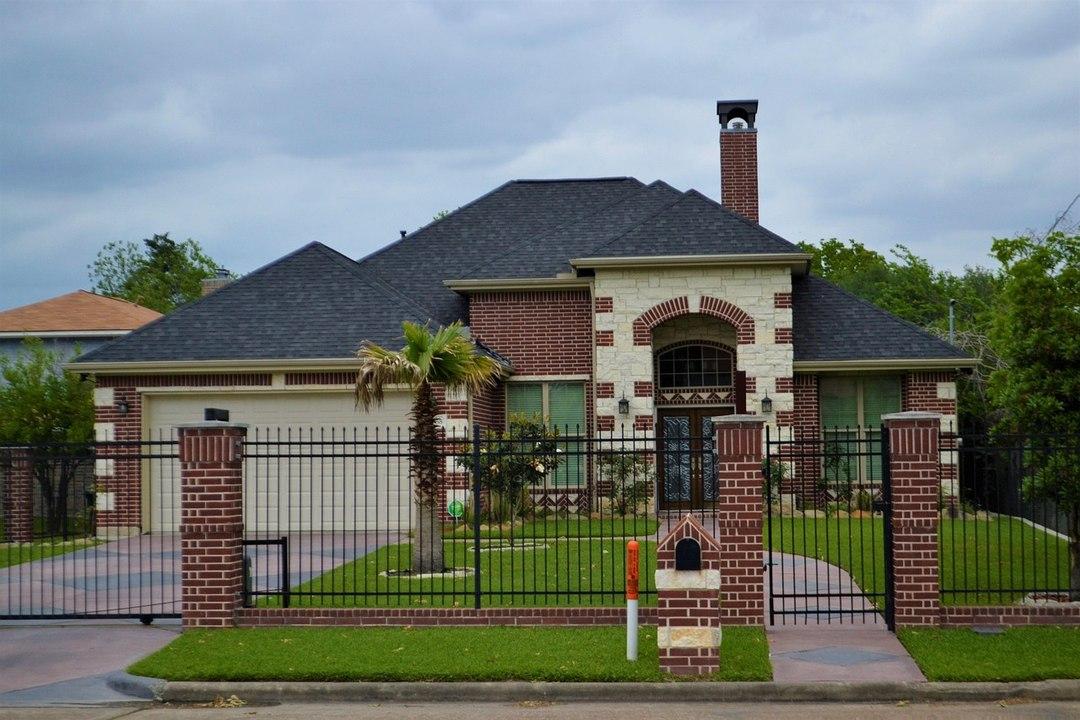
Most of the chimneys we see here are brick stacks on single-storey houses with low or medium pitch roofs, which makes roof work straightforward and keeps prices toward the middle of the range. The heavy winter storms are what find the weak spots. A stack that has stayed dry through several mild years can start leaking after one wet January, simply because the flashing sealant has finally dried out. That is also why owners in Whittier, Rosemead and the other cities around us tend to call between December and March.
If you are still working out where the leak is coming from, our chimney leak repair page sets out the visit, and flashing repair covers the most common entry point on its own. For the order to tackle several items, see crown repair or waterproofing.
Head to the contact page when the next storm leaves a mark, and we will come out, find every way in and put one number on paper.
Found a Stain You Cannot Place?
Clement Chimney Care follows it from the room to the roofline, photographs the gap letting water in and puts a written price on the fix. Ask from Pico Rivera, Whittier, Rosemead or a town nearby.