Picture the roof above your fireplace during a January downpour in Pico Rivera. Water sheets down the slope, hits the back of the brick stack and has nowhere to go but sideways. On a narrow chimney it slips past and carries on to the gutter. On a wide one it backs up into a shallow pond against the brick, along with every leaf and seed pod the wind has dropped there. That pond is where most of the chimney leaks we trace begin, and it raises a practical question for owners: is the fix new flashing, a cricket, or both?
Two parts, two jobs
Flashing is the metal that seals the joint between the roof and the chimney. It wraps the stack on all four sides and is tucked into the brick at the top edge so water running down the masonry stays on the outside. When it lifts, rusts or is held on only by a bead of tar, rain gets under the roofing and into the attic.
A cricket, sometimes called a saddle, is a small framed ridge built on the roof behind the chimney, covered in roofing and metal. Its only purpose is to stop water from parking against the uphill face. It turns the flat dam behind the stack into two slopes, so rain runs off to either side instead of sitting there.
One seals a joint. The other changes the shape of the roof so the joint is not under constant attack. They solve different parts of the same problem.
When flashing alone is enough
Many leaks only need the flashing replaced or refitted. That is usually the case when:
- the chimney is narrow, so water does not pool behind it
- the stain inside the house sits to one side of the chimney rather than directly under the back
- the old flashing is visibly loose, rusted or patched, and the roofing behind the stack is in good shape
- there is no debris build-up or rotted sheathing on the uphill side
Flashing work on its own has no list price on our site. The amount of metal, the roofing type and how many sides need replacing change it too much from one house to the next. You get a written figure after we have been up on the roof.
When a cricket is the answer
A cricket earns its keep when water is collecting behind the chimney. The signs are usually obvious once someone is on the roof:
- a band of dark, soft or patched shingles directly behind the stack
- leaves, needles and grit packed against the brick
- old tar smeared across the back flashing, often in several layers
- a stain inside the house that lines up with the back of the chimney
- a chimney that is noticeably wider than it is deep
On a stack like that, new flashing alone often fails again within a few winters, because it is still sitting in standing water every storm. Adding a cricket removes the reason it failed.
A cricket on its own runs $460 to $1,035. That fits a house where the flashing is still sound and only needs to be reworked where the cricket meets it.
When you need both
Most of the time, by the point a wide chimney is leaking, the back flashing is finished as well. Water sitting against it for years has rusted the metal and rotted the decking underneath. In that case we build the cricket and replace the flashing around the whole stack in the same visit, so the metal is new and the shapes fit each other. That combined job runs $690 to $1,700.
Doing both at once is cheaper than doing them years apart. The roofing behind the chimney has to be lifted for either job, and lifting it twice means paying for that labour twice.
What moves the figure inside each range
Within those ranges, the price depends on:
- Width of the chimney. A wider stack needs a longer, taller cricket and more metal.
- Pitch of the roof. Steep roofs take longer to work on safely.
- Roofing material. Composition shingles are quickest to lift and relay. Clay or concrete tile takes more care and time, and broken tiles have to be matched.
- Condition of the deck. If the plywood behind the stack has rotted, it is cut out and replaced before anything else goes on.
- Access. A single-storey ranch house is easier than a two-storey with a steep pitch.
Your quote lists each of these and what it adds.
What a cricket does not fix
A cricket protects the back of the chimney. It does nothing for a cracked crown, an uncapped flue or open mortar joints higher up. Water coming through any of those soaks down through the brick and can reach the attic even with perfect flashing and a well built cricket. That is why we check the whole top of the stack before recommending either one. If the crown is the problem, our crown and waterproofing comparison explains the options.
Questions to put to anyone quoting this work
- Will the new flashing be cut into the mortar joints, or just stuck to the face of the brick?
- Is the cricket framed and covered with the same roofing as the rest of the roof?
- What happens if the deck behind the chimney turns out to be rotten?
- Who handles the roofing: your crew, or a roofer you bring in?
- Will I get photos of the finished work from the roof?
Flashing that is only glued to the brick face with sealant tends to let go within a season or two. Metal tucked into a cut joint and sealed there lasts much longer.
Around Pico Rivera
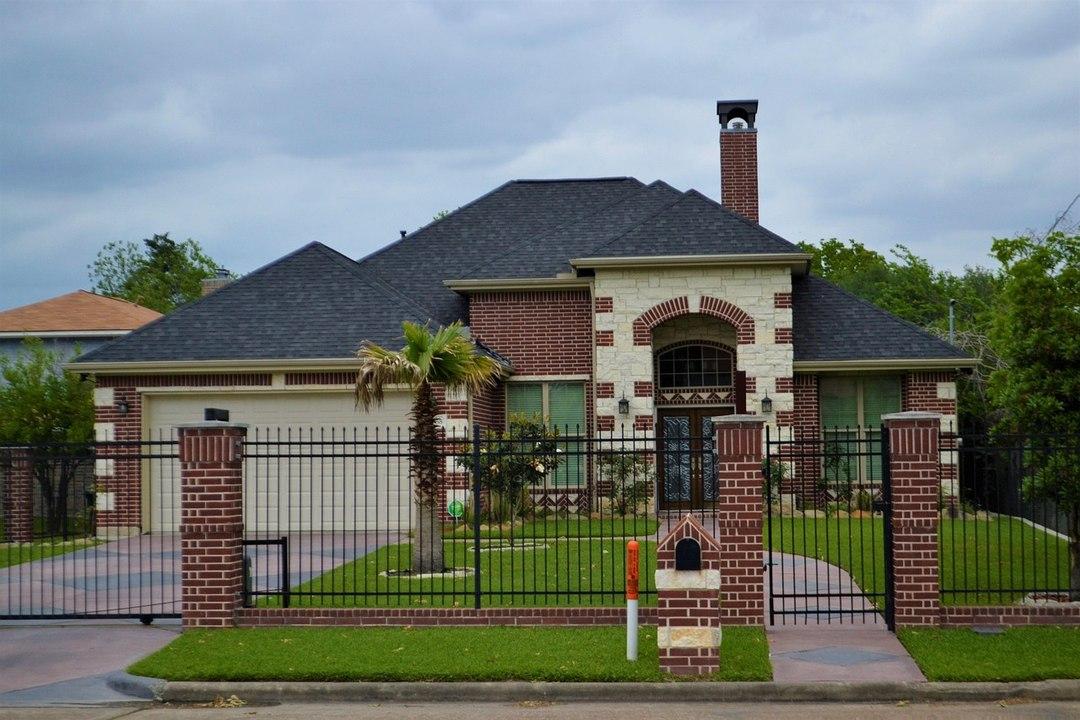
Brick chimneys on low, wide ranch houses are common in Pico Rivera, Rosemead and Baldwin Park, and plenty of them were built with no cricket at all. We see the result every rainy season. More detail on the metal work is on our flashing repair page, and the up-to-code repairs page lists the other common items a report can flag.
If water is reaching the attic behind your chimney, let us know through the contact page and we will look at the roof before deciding which of the two jobs your house actually needs.
Found a Stain You Cannot Place?
Clement Chimney Care follows it from the room to the roofline, photographs the gap letting water in and puts a written price on the fix. Ask from Pico Rivera, Whittier, Rosemead or a town nearby.