You walk through a house you like in Pico Rivera, and the agent points out the fireplace. It looks fine. Then you notice a faint tide mark on the ceiling beside it, or a closet on the other side of the wall smells faintly of wet cardboard. Those details matter more than the condition of the firebox, because water is the most expensive thing a chimney can bring into a house. This post covers what to do about it before you sign away your right to ask.
Why water is the finding that moves the price
Soot and creosote get cleaned. A dirty flue is a sweep, from $430, and nobody renegotiates a purchase over it. Water is different. A chimney that has been leaking for several winters can mean a cracked crown, rusted flashing, rotten roof decking, wet insulation and brick that crumbles when touched. None of that shows from the living room, and some of it does not show from the roof either.
Buyers who find out after closing pay for all of it themselves. Buyers who find out during the inspection period can ask the seller to fix it, ask for a credit, or walk away.
What a general home inspection usually covers
A general inspector checks the whole house in one visit, and the chimney gets a few minutes of that. They will usually look into the firebox with a flashlight, glance at the stack from the roof edge or the ground, and note any visible staining. If something looks wrong, the report says the chimney should be evaluated by a specialist.
That note is useful, but it arrives late, and it does not tell you what is wrong or what the repair costs. By the time you read it, part of your inspection period has already gone.
What a Level 2 adds
The Level 2 inspection is the deeper of the two common levels described in NFPA 211, the national standard most chimney inspectors follow. It is also the level that standard links to a change of ownership. For $400 it gives a buyer:
- video of the flue from the firebox to the top, showing cracks, gaps and water staining inside
- a close look at the crown, cap, flashing and brick from the roof
- a look at the attic framing beside the chimney for old and fresh water marks
- a written report with photos, pointing to the part of the chimney that is letting water in
Because our work centres on water, the report follows the trail from any stain inside the house up through the attic to the roofline, and names the entry point rather than just noting the damp.
The order that protects a buyer
The useful sequence is short:
- Order the chimney inspection in the same week as the general inspection, rather than waiting for the general report.
- Arrange access through your agent, who will set it up with the listing side.
- Read the chimney report alongside the general one, so you see the full picture before you draft a request.
- Use the published prices in the report, or a written figure for larger items, to put a number on your request.
Waiting until the general inspector flags the chimney means starting the specialist visit later, with less time to get a repair figure before your window closes.
Give us the address and your agent's details, and we will arrange the Level 2
What the findings usually cost
When a sale report shows water damage, the common repairs and our prices are:
- a cap over an open flue: quoted on site
- finding and stopping a leak, depending on how many entry points: $575 to $3,450
- a cricket behind a wide stack: $460 to $1,035
- a cricket with replacement metal around the whole stack: $690 to $1,700
Crown rebuilds, relining and flashing work on its own have no list price; we measure them and write up a figure. Either way, you get a number to bring into the negotiation, not just a warning.
Reading the report as a buyer
Each finding in our report has three parts: what we saw, where it is, and what it means for the house. A few phrases you might see and what they usually signal:
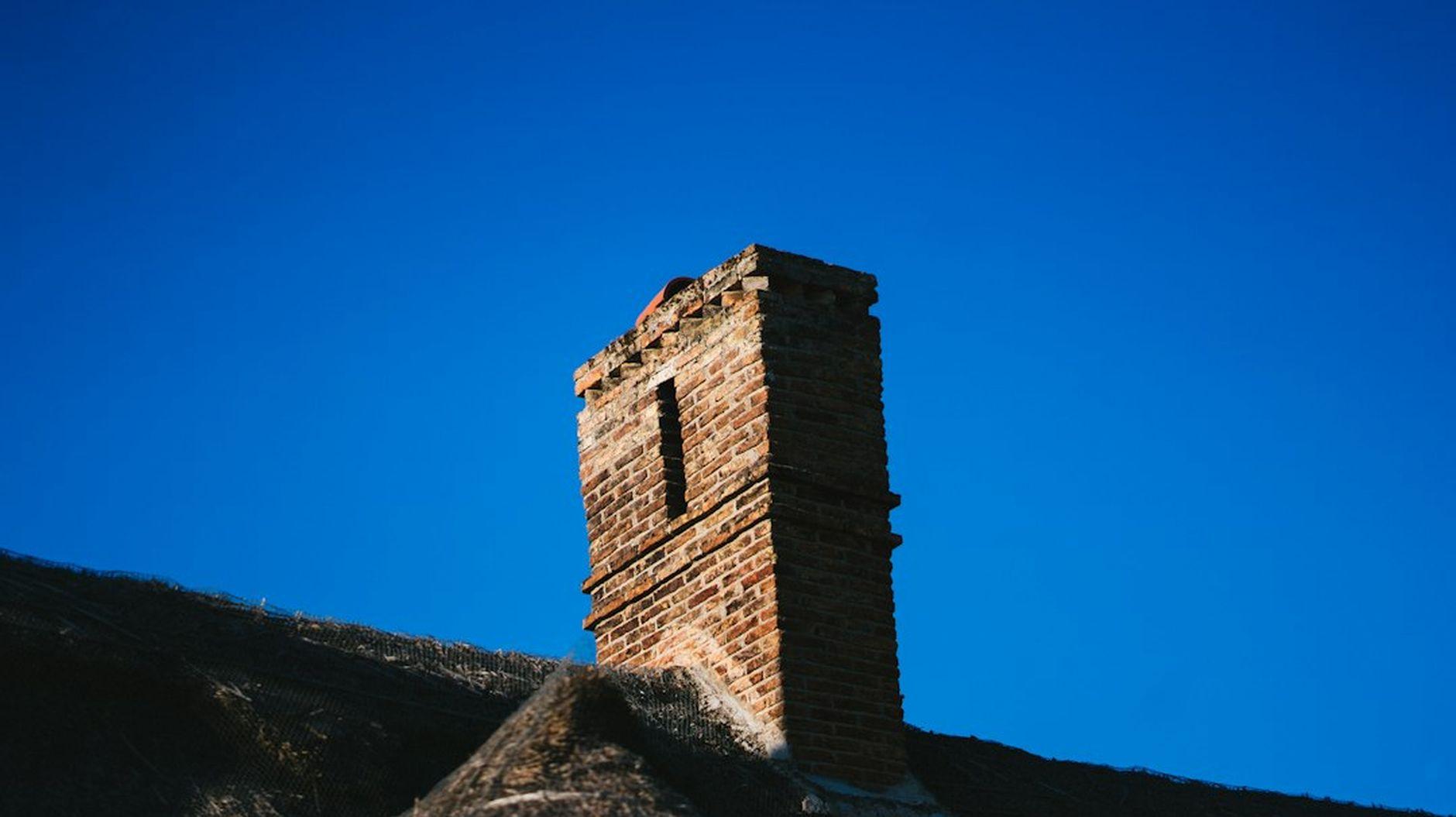
- Spalling on the upper courses. The face of the brick is breaking off because water is soaking in. Expect masonry repair and a look at the crown.
- Flashing sealed with roofing cement only. Previous owners have patched it. It may be holding, but it is near the end of its life.
- Staining at the attic penetration. Water has reached the framing at some point. The report says whether it was wet on the day.
- No cap present. Rain is entering the flue directly. Usually the cheapest fix on the list.
If something in the report is unclear, ask us. We would rather explain a finding than have it misread in a negotiation.
Who gets the report
Whoever pays decides who receives it. Most buyers want their agent copied, and some want the seller's side to see it once they make a request. More detail on how copies are handled is on our home sale inspection page, and agents can read about timing on the page for buyer's agents.
Buying in Pico Rivera and nearby
Many houses in Pico Rivera, Whittier and Monterey Park have brick chimneys that have been through many rainy seasons and at least one strong earthquake. A sale is the one time someone looks at all of it closely before the money changes hands. If you are weighing who to hire for the repairs afterward, our post on roofer or chimney crew for a leak may help.
When you have an accepted offer and a chimney on the roof, start through the contact page and we will take it from there.
Found a Stain You Cannot Place?
Clement Chimney Care follows it from the room to the roofline, photographs the gap letting water in and puts a written price on the fix. Ask from Pico Rivera, Whittier, Rosemead or a town nearby.